
Private Morocco Desert Tours from Ouarzazate, Agadir & Marrakech
Morocco’s desert is not a single place—it’s a whole world of changing landscapes, from snow-dusted mountain passes and palm-filled valleys to rocky plains and rolling dunes. If you want the freedom to stop for viewpoints, explore hidden kasbahs, and travel at your own pace, private Morocco desert tours are one of the best ways to experience the country. Instead of following a fixed schedule with a large group, you can shape the journey around what matters most to you: photography, culture, comfort, adventure, or a mix of everything.
This guide is designed to help you choose the best route and starting point for your trip, with a clear focus on the experiences most travelers dream about: Marrakech desert tours, private tours from Ouarzazate, and private tours from Agadir, all leading toward memorable Sahara Desert experiences. You’ll learn what to expect on the road, how to pick the right dunes and camp style, and how to plan a tour that feels smooth, scenic, and truly Moroccan—without wasting time or missing the highlights.
What Makes a Private Desert Tour Different?
A private tour changes the entire rhythm of desert travel. You don’t have to rush through scenic places because a bus has a timetable, and you don’t have to compromise on stops that matter to you—whether that’s a short hike in a canyon, a slow lunch with a view, or extra time at a kasbah for photos. With private Morocco desert tours, the itinerary can be adjusted around your interests and comfort level, which is especially important on longer drives where breaks, viewpoints, and pacing make a big difference.
Private tours also tend to feel more personal and culturally connected. You’ll have more space to ask questions, learn the story behind the places you visit, and make spontaneous detours to local cooperatives or weekly markets when timing allows. For couples, families, and small groups of friends, privacy is a major advantage—especially when you reach the desert and want the quiet magic of sunset dunes and starlit skies without the feeling of a crowded excursion.
Choose Your Starting City: Ouarzazate, Agadir, or Marrakech
Morocco has multiple “best” desert gateways—because the right starting point depends on where you are, how much time you have, and what kind of landscapes you want to see before reaching the dunes. Marrakech desert tours are famous because Marrakech is a major travel hub with plenty of flights, hotels, and day-trip options, and the routes into the south cross iconic mountain passes and cinematic valleys. It’s a great choice if you want a classic Morocco road trip feel: busy city energy fading into wide-open desert spaces.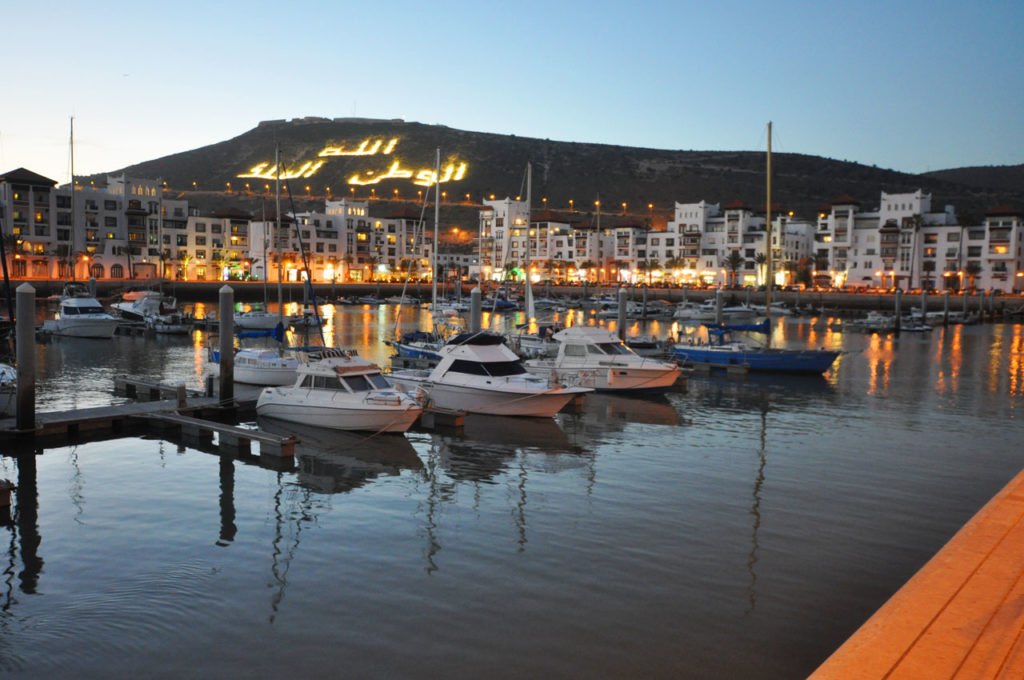
At the same time, private tours from Ouarzazate are ideal if you want to begin closer to the desert, reduce driving time, and focus on kasbahs, oases, and southern landscapes from the start. Private tours from Agadir are perfect for travelers who start on the coast and want to combine an ocean stay with an inland adventure—often with a different, less-traveled feel compared to the Marrakech routes. In many cases, the most enjoyable itinerary is the one that balances comfort, scenery, and time in the dunes.
Private Tours from Ouarzazate: The Door to Kasbah Country
Ouarzazate is often called the “Gateway to the Sahara,” and it earns that title because it sits at a strategic crossroads between the High Atlas, the Draa Valley, and the desert routes that lead toward Merzouga or Zagora. Starting here means you’re already in the south: the landscapes feel drier, the light feels more desert-like, and the cultural atmosphere shifts toward the kasbah regions. Private tours from Ouarzazate are a smart option if you want to maximize time in valleys, oases, and dunes without spending an extra full day just getting out of the north.
Another major advantage is how naturally Ouarzazate connects to iconic stops. Aït Ben Haddou is nearby and can be visited without rushing, and the Skoura oasis offers a calm, palm-filled contrast to the rocky plateaus that surround it. If you enjoy architecture, history, and cinematic scenery, Ouarzazate-based itineraries let you build a desert journey with strong cultural depth—without the feeling that your tour is only about long hours on the road.
TOURS FROM RABAT :
8 Days Tour From Rabat To Merzouga And Marrakech
5 Days Tour From Rabat To Sahara Desert And Marrakech
The Classic Route from Ouarzazate to Merzouga (Erg Chebbi)
One of the most rewarding private routes runs from Ouarzazate through the Valley of Roses, the Dades Valley, and onward toward the Todra Gorge before continuing to the dunes of Erg Chebbi near Merzouga. This path is popular for good reasons: it offers constant visual variety—fortified villages, river valleys, cliffs, and palm groves—before the final transition into the Sahara. If you want a tour that feels like a journey, not just a transfer, this route delivers a strong “best of southern Morocco” experience.
In practical terms, the route also makes it easier to design comfortable driving days. You can break the trip with an overnight in the Dades area or near Tinghir, which creates time for short walks, scenic viewpoints, and relaxed meals rather than continuous driving. When you finally arrive near Merzouga, the dunes often appear suddenly on the horizon—an unforgettable moment that feels even more powerful after days of gradually changing landscapes.
Private Tours from Agadir: From Atlantic Breezes to Desert Silence
Agadir is known for beaches and sunshine, but it can also be an excellent starting point for desert travel—especially for visitors who want a less typical route into the interior. Private tours from Agadir often pass through parts of the Anti-Atlas region, where landscapes are rugged, wide, and quietly dramatic. This is a strong choice if you enjoy road trips that feel spacious and uncrowded, with opportunities to see small towns, dry riverbeds, and changing geology before you reach classic desert scenery.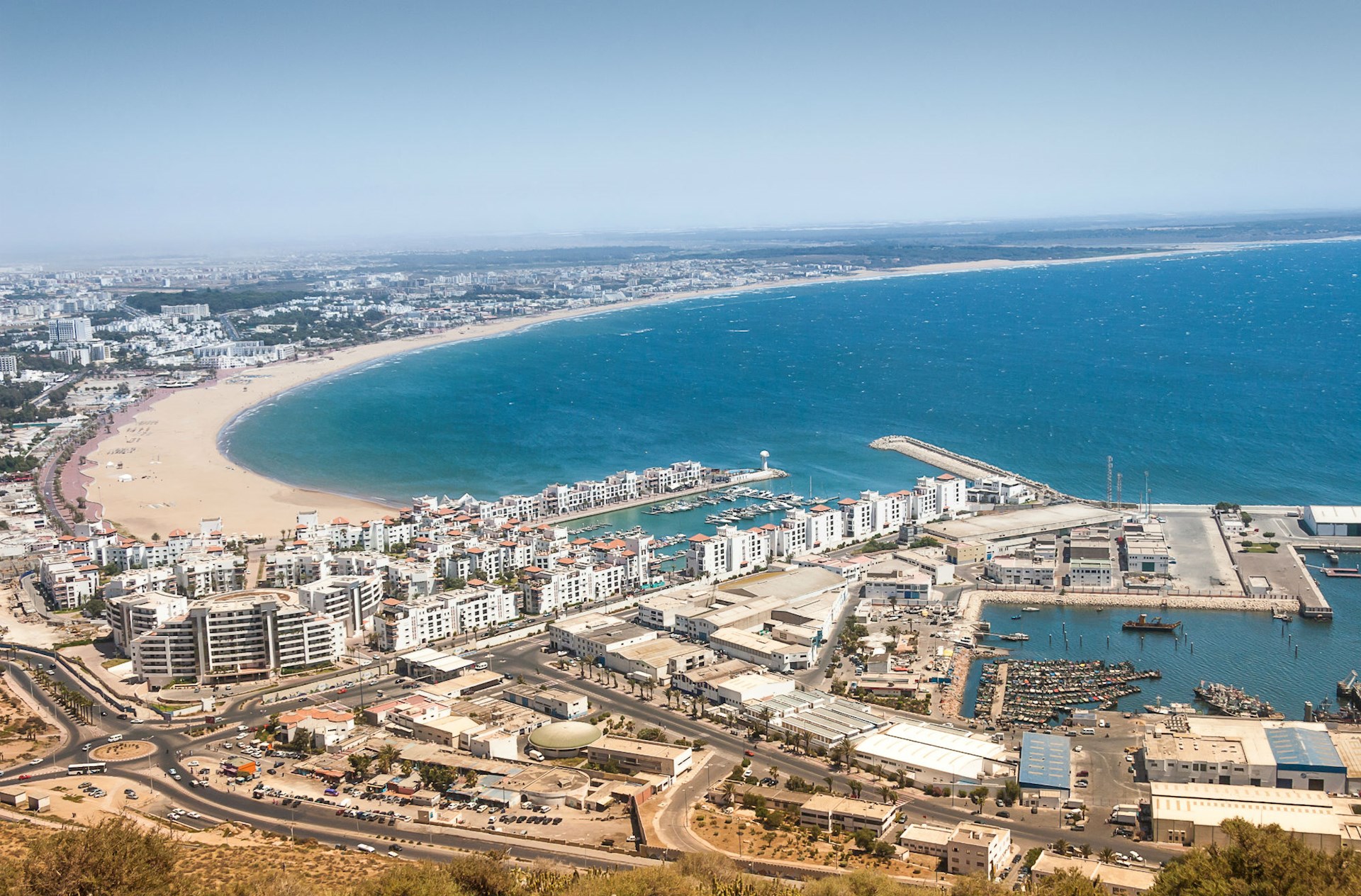
The coastal-to-desert contrast is part of what makes this option special. You can start your morning with ocean air and end your day in a dry inland landscape where the sunsets feel deeper and the nights become remarkably clear. For travelers who have already visited Marrakech, or who want to avoid repeating the same tourist corridors, Agadir-based itineraries can feel fresh and different while still delivering the desert highlights most people hope for.
A Recommended Agadir-to-Sahara Itinerary (3–5 Days)
A well-paced Agadir-to-Sahara plan usually focuses on gradually moving inland while keeping the drive enjoyable. Depending on the exact route, you can include stops in traditional towns, viewpoints in the Anti-Atlas, and scenic rest areas that showcase a quieter side of Morocco. Because private Morocco desert tours can be adapted, this itinerary can be built around your priorities—whether that’s reaching dunes quickly, adding cultural stops, or spending an extra night in a valley to slow down.
For many travelers, the best experience comes from choosing 4 or 5 days, which allows you to avoid “all-day driving” and instead enjoy the road as part of the trip. With additional time, you can include a more immersive desert camp night, add a local walk in an oasis area, and arrive at the dunes early enough to enjoy both sunset and sunrise without stress. This is often where private travel shines: you can plan the schedule around light, comfort, and meaningful experiences rather than simply covering distance.
Marrakech Desert Tours: Atlas Mountains, Valleys, and Dunes
For first-time visitors, Marrakech desert tours are the classic choice, largely because Marrakech is easy to reach and the route south is filled with iconic scenery. You’ll typically cross the High Atlas Mountains via dramatic passes, where the views change from busy city roads to mountain panoramas and then into arid plateaus. The sense of “leaving the city behind” is immediate, and each hour on the road feels like a transition into a new Morocco—one that’s more rural, more open, and more connected to the desert.
Marrakech routes are also extremely flexible, which matters when you’re deciding between different dunes, camps, and travel times. If you only have two days, you can do a shorter desert-style tour (often toward Zagora), while longer trips can reach the true Sahara dunes around Merzouga or even the wilder Erg Chigaga region. The key to a great Marrakech-based journey is choosing the right duration so you spend enough time enjoying the desert rather than only driving to it.
Best Marrakech-to-Desert Itineraries (2, 3, and 4 Days)
A 2-day tour from Marrakech is best if your main goal is a quick desert escape with big landscapes and a taste of camp life, but it usually involves long driving hours and limited time in the dunes. Many 2-day options prioritize speed and convenience, and while they can be enjoyable, they’re not always the best match if your dream is deep Sahara silence and expansive dunes. If you’re committed to a shorter itinerary, it’s wise to focus on scenic stops, a comfortable overnight, and realistic expectations about how much dune time you’ll get.
A 3- or 4-day itinerary often creates a noticeably better experience, especially if you want Sahara Desert experiences like sunset camel trekking, a calm camp evening, and a sunrise on the dunes without feeling rushed. With 3–4 days, you can include meaningful stops like kasbah visits, valley viewpoints, and short walks, while also arriving at the dunes with enough daylight to enjoy them fully. For many travelers, that extra day transforms the trip from “a long ride to the desert” into a balanced journey across Morocco’s most spectacular regions.
Sahara Desert Experiences You Shouldn’t Miss
The Sahara is famous for its dunes, but the best Sahara Desert experiences include more than a single photo opportunity. Sunset and sunrise are the two moments when the desert feels most alive: shadows stretch across the sand, colors shift from gold to pink, and the dunes look different every minute. A camel trek is a classic way to approach a desert camp, but you can also travel by 4×4 depending on your comfort and preferences, especially if you want to reduce riding time or travel with children.
Beyond the dunes, desert experiences also include stargazing, local music around a fire, and the unique quiet that comes when the wind settles at night. In the right camp, you’ll hear stories, taste traditional food, and wake to a horizon that seems endless. If you enjoy active moments, sandboarding can be a fun addition, and short walks on the dunes are often more rewarding than people expect—simple, slow, and surprisingly peaceful.
Erg Chebbi vs Erg Chigaga: Which Sahara Dunes Are Right for You?
Erg Chebbi (near Merzouga) is the most accessible region of big Sahara dunes in Morocco, and it’s a top choice for travelers who want classic towering sand formations with relatively straightforward logistics. There are many camp options, many viewpoints, and a wide range of comfort levels—so it’s easy to find a tour style that matches your budget and expectations. Because Erg Chebbi is well-known, it’s also a great option if you want a reliable experience with plenty of choices for activities and accommodations.
Erg Chigaga is often described as more remote and wild, usually reached via longer routes and sometimes involving off-road travel. If you want a deeper sense of isolation, fewer visible lights at night, and a feeling of “far from everything,” Chigaga can be a strong choice—especially on longer trips. The best decision depends on your timeframe: if you have limited days, Erg Chebbi often makes the most sense, while longer itineraries can justify the added travel time to reach Chigaga’s remoteness.
Desert Camps Explained: Standard vs Luxury
Desert camps vary widely, and understanding the difference between “standard” and “luxury” helps you book with confidence. A standard camp typically offers comfortable bedding, shared bathroom facilities, and a warm, welcoming atmosphere—often with music and communal dining. It’s a great option if you want an authentic feel and you’re comfortable with simpler amenities, especially since the real luxury of the desert is the setting itself: dunes, stars, and silence.
A luxury camp usually means larger tents, more privacy, and upgraded services such as private bathrooms, higher-quality linens, and more elaborate meals. Luxury can be especially appealing for couples, families, or anyone celebrating a special occasion, because comfort makes it easier to fully relax after the drive. With private Morocco desert tours, you can also customize the camp choice based on your priorities—quiet location, tent size, heating options in colder months, or specific dietary needs.
Cultural Encounters: Berber Villages, Music, and Local Markets
A desert tour becomes more meaningful when it includes real cultural connection, not just scenic stops. Along the way, you’ll pass through regions where Amazigh (Berber) culture is deeply rooted, and you may have the chance to visit small villages, learn about traditional building styles, and understand how people live in environments shaped by heat, wind, and limited water. These moments add context to the landscapes, turning views into stories and making the journey feel personal rather than purely touristic.
Music is another powerful part of the desert experience, especially in camps where local rhythms and songs create an atmosphere that feels both joyful and intimate. If your route aligns with a weekly market day, a souk visit can be one of the most vivid cultural moments of the trip—colors, spices, textiles, and everyday life all in one place. Private travel helps here too, because you can stop when something catches your interest, rather than only where a large group schedule allows.
Food on the Road: What You’ll Eat During a Desert Tour
Food is an underrated highlight of desert travel, and most travelers find Moroccan meals both comforting and memorable after long scenic drives. Typical dishes include tajines (slow-cooked stews), grilled meats, fresh salads, soups, and seasonal fruit, with plenty of mint tea along the way. In valley regions, you may also see local products like dates, almonds, and olive oil, and in some places you can visit cooperatives that show how these staples are produced.
At desert camps, dinner is often a warm, hearty meal served after sunset, sometimes followed by tea and music. Breakfast usually includes bread, eggs, jams, and hot drinks—simple but satisfying before a morning dune walk or departure. If you have dietary preferences, private tours make it easier to plan ahead, choose restaurants that fit your needs, and communicate clearly about vegetarian, vegan, gluten-free, or allergy-related requirements.
When to Go: Weather by Season and What to Expect
Timing matters in the Sahara, because desert weather can be comfortable or extreme depending on the month. Spring and autumn are often the most balanced seasons, with warm days and cooler nights that suit both driving and dune time. Summer brings very high temperatures, which can still be manageable if you plan smart—early departures, shaded breaks, and a focus on sunrise/sunset activities—but it’s not ideal for everyone, especially those sensitive to heat.
Winter can be surprisingly cold at night, even if daytime temperatures feel pleasant. If you travel in colder months, the right clothing and the right camp setup (blankets, heating options, tent quality) make a huge difference. Regardless of season, the best tours build the schedule around comfort: arriving at the dunes with enough daylight, avoiding the harshest midday heat when possible, and planning realistic driving segments to keep the journey enjoyable.
What to Pack for the Sahara (Practical Checklist)
Packing well makes your tour smoother, because desert comfort depends on layers and smart basics rather than heavy luggage. For clothing, think breathable daytime layers and warmer night layers, especially outside summer. A scarf or head covering helps with wind and sun, and sunglasses are essential in bright dune light. Closed-toe shoes are useful for rocky areas and villages, while lighter shoes can be comfortable for walking on sand around camp.
Beyond clothing, bring sunscreen, lip balm, and moisturizer—dry air affects skin quickly. A small flashlight or headlamp is useful at camps, and a portable charger helps if you take photos or videos throughout the day. If you’re traveling with a camera, consider a protective bag and a simple way to reduce dust exposure, because fine sand can travel in the wind and settle into gear during outdoor activities.
Driving Distances and Comfort: How We Plan Smart Travel Days
Desert routes in Morocco involve real driving, and understanding that upfront helps you enjoy the experience rather than being surprised by it. The key is not just the number of hours, but how those hours are structured: scenic breaks, viewpoint stops, meal timing, and overnight locations that reduce fatigue. The most satisfying private Morocco desert tours plan the day so you arrive before it’s dark, have time to settle in, and can enjoy the place you’re sleeping rather than simply collapsing after the road.
A smart itinerary also balances “must-see” highlights with the reality of travel time. It’s tempting to pack in every famous stop, but too many detours can turn a beautiful road trip into a race. Private touring makes it easier to tailor the day—if you love landscapes, you can prioritize viewpoints; if you prefer culture, you can spend more time at kasbahs and villages. The goal is to keep the drive as part of the joy, not as the price you pay to reach the dunes.
Safety, Etiquette, and Responsible Travel in the Desert
Morocco is generally welcoming for travelers, and desert tours are a well-established part of the tourism landscape, but a few simple habits improve safety and comfort. Stay hydrated, protect yourself from sun exposure, and follow guidance for camel rides or dune walks—especially if the sand is hot or the wind is strong. If you’re traveling with children or older family members, plan breaks more frequently and choose accommodations with the comfort level that fits your group.
Responsible travel matters in fragile desert environments, where water is precious and waste can quickly impact local areas. Choose operators and camps that respect the landscape, manage trash responsibly, and support local communities through employment and local sourcing. Etiquette is also important: ask before taking photos of people, dress respectfully in villages, and approach cultural moments with curiosity and humility. Small choices like these help keep tourism beneficial and sustainable for the regions you visit.
Pricing, Value, and How to Book the Right Private Tour
Private tour pricing varies based on duration, accommodation level, vehicle type, and what’s included (meals, guides, tickets, camel trek, 4×4 transfers, and so on). The most important thing is to compare tours based on value, not just the headline price: a cheaper tour can become expensive if it cuts comfort, adds hidden fees, or forces a rushed schedule that reduces enjoyment. A good private itinerary is transparent about inclusions and clear about daily driving expectations so you can choose confidently.
To book the right tour, start by deciding your non-negotiables: which starting city (Marrakech, Ouarzazate, or Agadir), which dune region (Erg Chebbi or Erg Chigaga), and how many nights you want in the desert. Then choose the comfort level that fits your travel style and season, and confirm key details like pickup time, camp location, bathroom setup, and whether your plan includes a sunset and sunrise dune experience. With these basics aligned, you’ll end up with a tour that feels smooth, personal, and worth every kilometer.
FAQs About Private Morocco Desert Tours
Many travelers ask whether private tours are “only for luxury travelers,” and the answer is no—private simply means the vehicle and schedule are for your party, and you can choose standard or luxury accommodations based on budget. Another common question is how many days you need for a real Sahara experience: in most cases, 3–4 days from Marrakech (or fewer from Ouarzazate) offers a more relaxed pace with better dune time, while 2-day options can work if you mainly want a quick desert taste and understand the long driving hours involved.
People also ask what to expect at a desert camp, and it depends on the camp style: standard camps are comfortable but simpler, while luxury camps add privacy and upgraded facilities. Finally, travelers often wonder whether the desert is safe and suitable for families, and generally it is—especially with a well-planned itinerary, reasonable driving days, and clear communication about comfort needs. If you share your travel dates and starting city, it becomes easy to recommend the best route for weather, scenery, and overall pacing.
Final Thoughts: Choosing the Best Desert Route for You
The best desert tour is the one that matches your time, starting location, and idea of comfort. If you want the shortest path to southern landscapes and kasbah culture, private tours from Ouarzazate are a natural choice. If you’re starting from the coast and want a different, quieter approach into Morocco’s interior, private tours from Agadir can be both scenic and refreshingly uncrowded. If you’re visiting Morocco for the first time and want the iconic mountain-to-desert road trip, Marrakech desert tours remain a classic for a reason.
No matter where you begin, what makes the journey unforgettable is how it’s paced: enough time for valleys and kasbahs, enough time on the dunes, and at least one calm night where you can look up and truly feel the Sahara. When you design the itinerary around those moments, Sahara Desert experiences become more than a checklist—they become memories you carry home with you, shaped by landscapes, stories, and the quiet beauty of the desert.